Current Project

Kimberly’s grandfather, Raymond Routh, was just one of the hundreds of men who serviced the iconic B-29 Superfortresses that were stationed at Isley Field on the island of Saipan in the Mariana Islands during World War II. As a member of the 20th Air Force, 73rd Bombardment Wing, 497th Bombardment Group, he was one of the first to arrive on Saipan after United States Marines had fought to take the island from the Japanese soldiers who occupied it until the surrender of Japan.
In high school, Kimberly came across a photo album that contained photos of her grandfather’s time at Isley Field and was immediately intrigued. Within its pages was a photographic timeline of his service: from the clearing of sugarcane fields in the summer of 1944 so they could build the base that would be their home during the war, to the dropping of the atomic bomb on Nagasaki in August of 1945, and the planes he worked on in between.

Years later, inspired by her nephew’s interest in World War II, she started researching the history of the thirty planes included in the album, knowing her nephew would be interested to know if the planes had survived the war or not. Once she began her research, however, she quickly realized that her simple “project” was much bigger than the original thirty planes. She was receiving documents that contained information on other planes not included the album. As she continued to request more documents, the scope of her project continued to grow as she uncovered new information and fascinating stories related to the service of her grandfather and the men and women he served with.
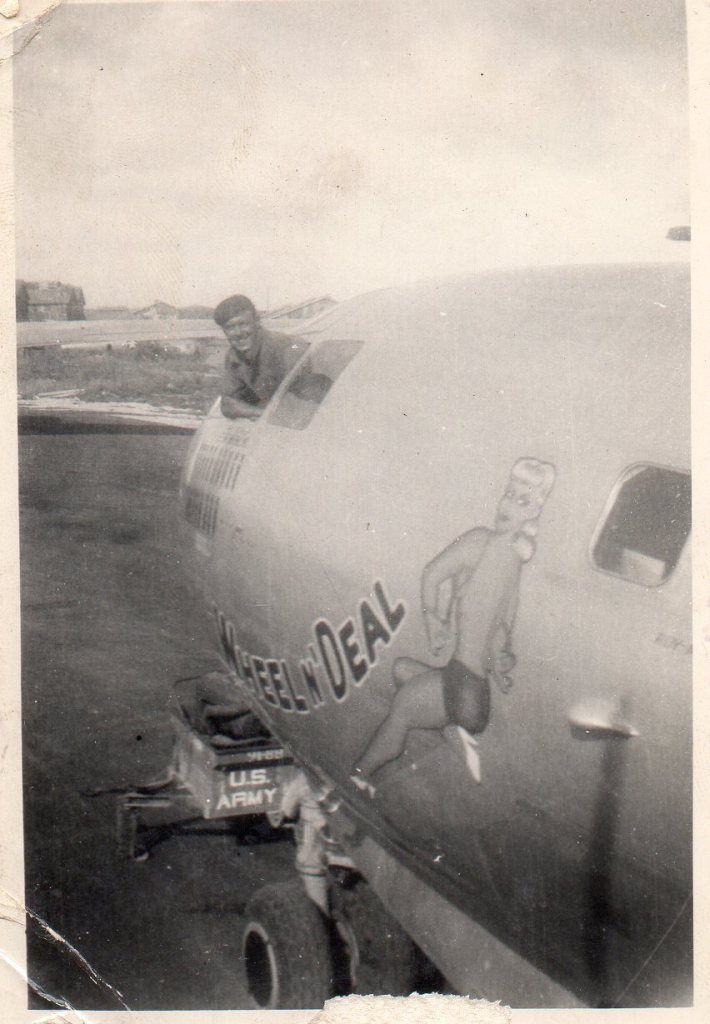
She has spent the last few years digging through tens of thousands of pages related to the 73rd Bombardment Wing’s involvement in the war. When completed, The Planes of Isley Field During World War II (as it is tentatively titled), will be a captivating and thorough history of the 73rd’s service during the war from their departure from California and their less-than-comfortable journey to Saipan, the ingenuity of the men in overcoming the lack of equipment and supplies to build their base and its air field, the planes and the crews that flew more than eighty missions against Japan, and more.
 Kimberly Albertson